Facial Recognition in the UK: How It Works, Who's Watching, and How to Protect Yourself
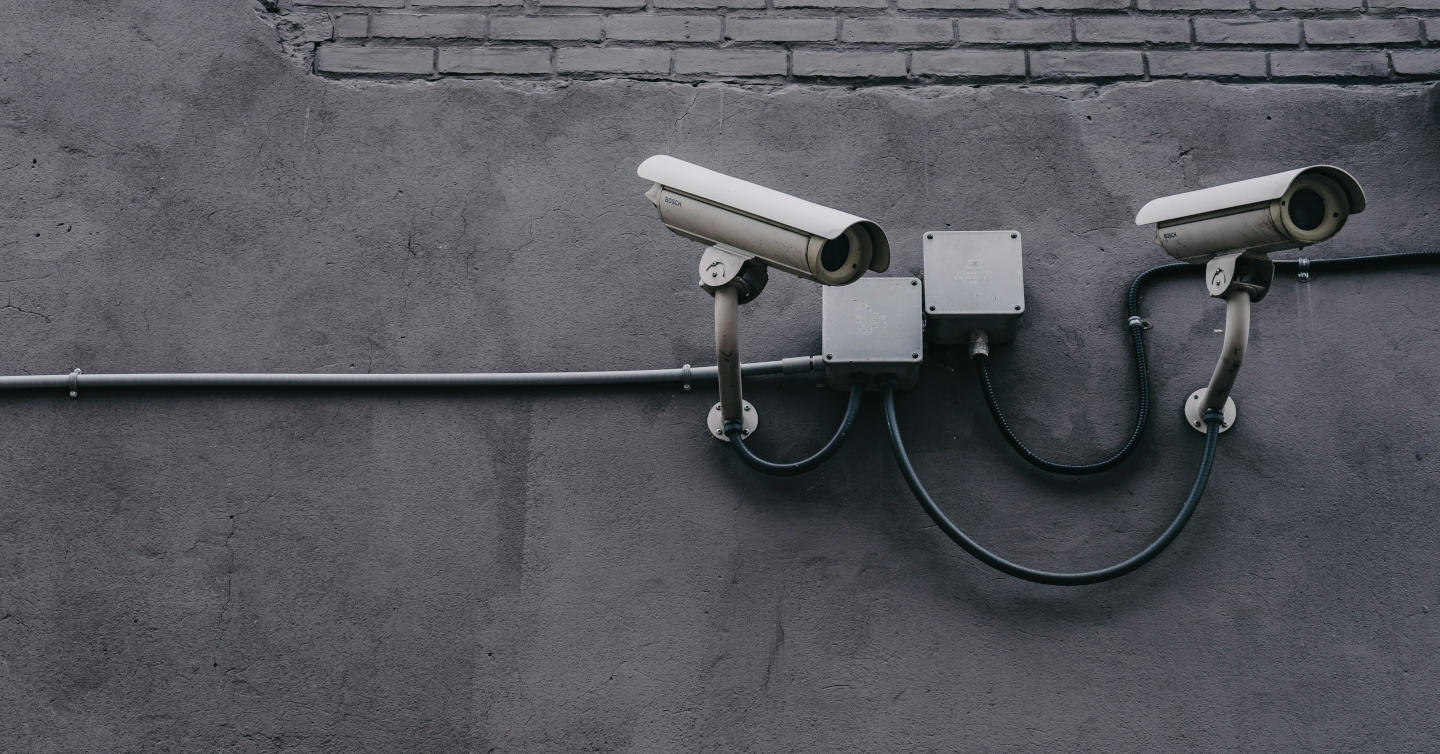
The UK has become one of the most surveilled countries in the world. In public spaces and increasingly in private ones, your face is being used to identify you without your knowledge and without your consent. It’s a development that puts Britain in uncomfortable company alongside technocracies like China and the United States.
It’s not just police cameras on street corners anymore either. The same “Face ID” technology that unlocks your smartphone is now being used to tie your private, social, and working lives together using photos on social media. All the while government agencies and private companies collect and share data about your movements, with facial recognition serving as one of the key data points connecting it all.
How Does Facial Recognition Work?
Facial recognition is a surveillance system designed to find similarities between two images of a face, with AI algorithms verifying, comparing, and making the connection using a “faceprint.” Faceprints are a form of biometric identification that maps your unique biological features, and the most important of those features—the one the system truly relies on—are the eyes.
Are Facial Recognition Systems Foolproof?
No. Statistically speaking, they are highly likely to make mistakes, sometimes with serious consequences for the person on the receiving end. Take the case of Byron Long, a 66-year-old man in Cardiff who was wrongly accused of shoplifting from a B&M store after being added to a Facewatch watchlist. He was accused of stealing £75 worth of goods, until a review of CCTV footage showed he had paid for his shopping and taken nothing.
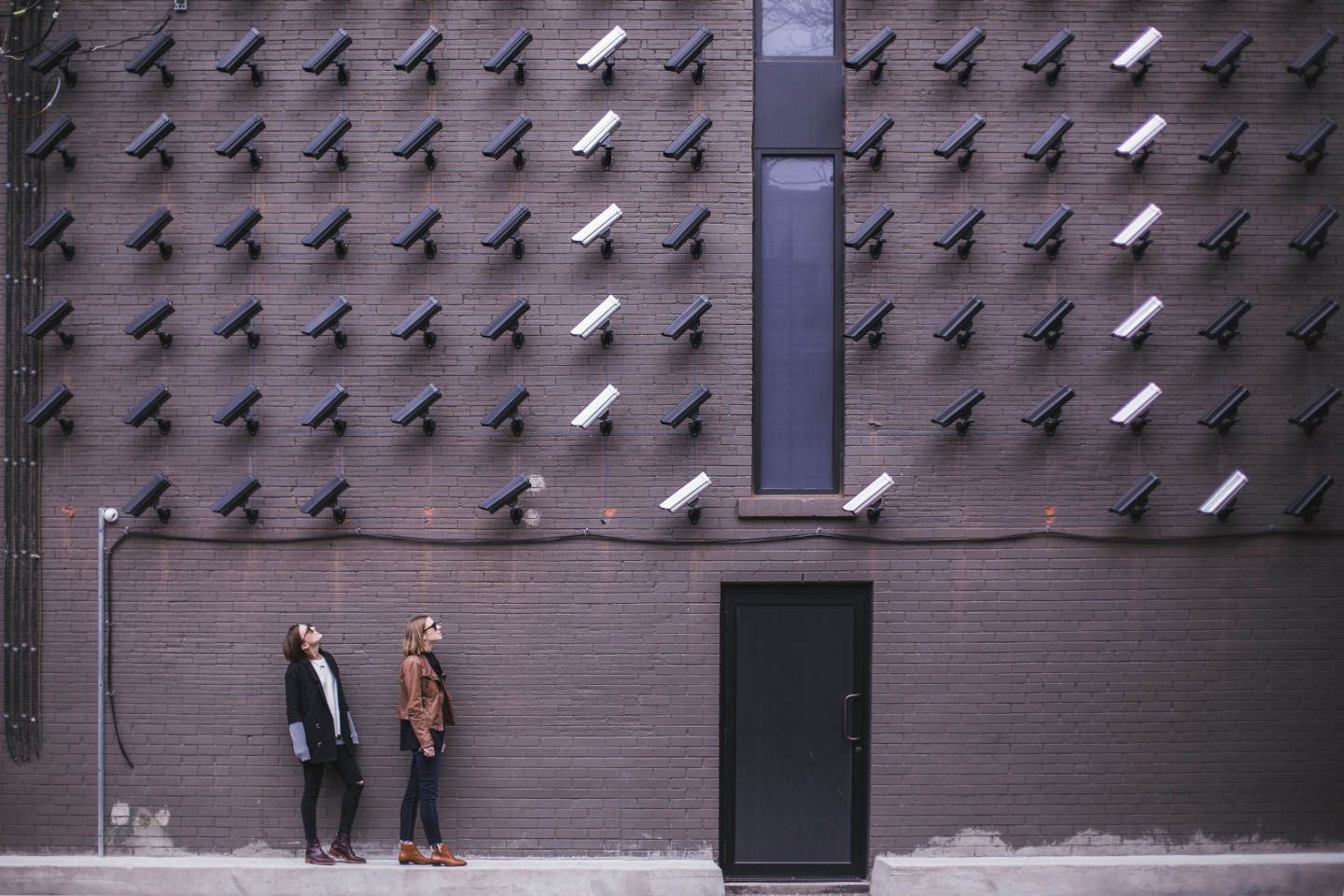
Other examples of high-profile errors made by facial recognition systems in the UK:
- Facial recognition error prompts police to arrest Asian man for burglary 100 miles away. A software engineer in Southampton was handcuffed and held in custody for nearly 10 hours after Thames Valley Police’s system confused him with a suspect who looked “10 years younger.”
- Shoppers wrongly accused of theft by facial recognition systems. Multiple shoppers reported being falsely accused after being flagged by Facewatch, with little ability to challenge the decision.
- Home Office research has confirmed that the technology produces a far higher rate of false positives for Black (5.5%) and Asian (4.0%) faces than for white faces (0.04%) at certain settings.
The government justifies biometric databases by pointing to border security, criminal identification, and the fight against terrorism. Private companies claim biometrics can improve our lives. But the privacy risks involved in building these databases are extreme. Above all, there is the danger of data being compromised in ways that would be almost impossible to recover from if it ended up in the hands of data thieves.
If a credit card or a National Insurance number is stolen, those can be revoked and replaced. Stolen biometric data cannot. You can change a password. You can’t change your face.
The use of biometric facial recognition by both police and private companies has enormous implications for the way entire populations will be monitored and controlled. The introduction of this intrusive technology raises not only major questions of privacy and data protection but ethical ones as well.
It’s reasonable to think that the spread of facial recognition cameras will inevitably normalize surveillance across every level of life, eroding our individual freedoms in the process. Organizations like Big Brother Watch and the Electronic Frontier Foundation have been raising the alarm about this for years.
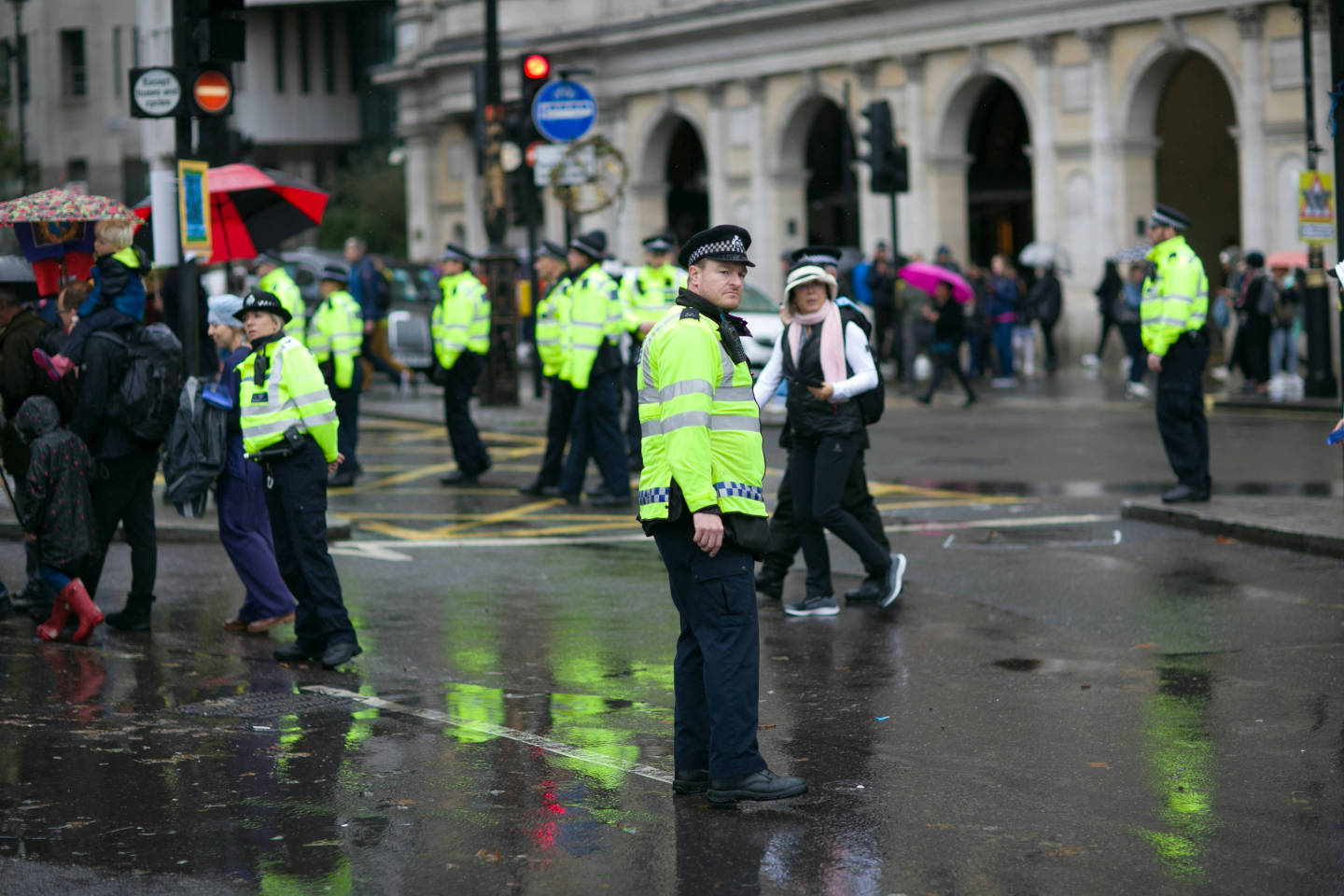
Instead of terminating the plan, the Metropolitan Police has more than doubled its use of live facial recognition, with the technology now deployed up to 10 times a week. The Equality and Human Rights Commission has said it believes the Met’s use of the technology is unlawful.
Private Brands Are Doing It Too
Even major UK retailers are now rolling out facial recognition technology, justifying the decision by claiming that it helps fight the rise of theft in their stores. For example: Sainsbury’s tests facial recognition to stop shoplifters. The list of British retailers using or trialing the technology is already long and growing: Asda, B&M, Flannels, Home Bargains, Iceland, Sainsbury’s, Southern Co-op, Spar, Sports Direct, Tesco, and others.

In the UK, the push toward surveillance and control has clearly accelerated. Draconian laws like the Online Safety Act regulate the use of the internet, the government wants a “crackdown” on VPNs, and militarized AI systems are spreading further under the banner of “internal security.”
Seeing the UK adopt approaches so clearly inspired by China and Russia is concerning, and it would be best to seriously think about the unintended effects all of this could have before it’s too late.
Articles covering the specifics of this agenda help make the issue clear, especially when they point out how blanket surveillance is encouraged and, in effect, unlimited: “Use facial recognition for all crimes, police told.”
Where Are the Cameras?
Fixed cameras can now be found almost everywhere across the UK: at intersections, on main roads, in buildings, in Tube stations, on trains and buses, at airports, stadiums, concerts, shopping centres, and more recently on mobile police vans positioned in busy areas with the aim of identifying people on specific watchlists.
As Sky News reported, facial recognition is set to be rolled out across the UK after a human rights legal challenge failed in court.
What Methods Are UK Police Using for Facial Recognition?
- Operator-led facial recognition: a mobile app issued to officers on the ground that lets them check someone’s identity without needing to arrest them and take them into custody.
- Retrospective facial recognition: used as part of a criminal investigation to search for images from crime scenes, mobile phones, and CCTV cameras, comparing them with photos of people taken during and after arrest.
- Live facial recognition: using live video footage from cameras that capture people doing harmless activities like walking to the shop or walking their dog, and then comparing those images in real time with a specific watchlist of people wanted by the police.
It’s important for law enforcement to be transparent about the use of facial recognition cameras installed in our city centers and on our streets. Strict rules are needed to dictate how the police use this technology so that the right to privacy is always protected.
Without such rules, we hand the government enormous power over our lives, with a real risk of undermining the entire privacy protection system western societies rely on.
Is Your Biometric Data Actually Safe?
It’s worth highlighting that this whole data collection system raises serious questions about the security of the platforms managing it.
The National Cyber Security Centre warned in 2023 that the government’s One Login system, which is set to underpin much of the UK’s digital ID infrastructure, had “serious data protection failings” and “significant shortcomings.” The system failed to meet mandatory government cybersecurity standards, and testing showed that malware could be introduced and sensitive parts of the system accessed without triggering any security alert.
The UK government’s own data shows that cyber incidents in the UK increased by 50% from 2024 to 2025, yet at the same time, the state is pushing mass surveillance through unvetted artificial intelligence systems.
These risks are only going to grow. Building a personal data collection system without proper security exposes every citizen to real and lasting privacy harm.
How to Protect Yourself: IR Eyewear
If all of this concerns you, there are practical steps you can take to claim some of your privacy back. Most facial recognition systems in use today rely on infrared (IR) light to effectively map faces and eyes, and that’s where the conversation about protection really starts. Glasses that block IR light will disrupt this process at the source.
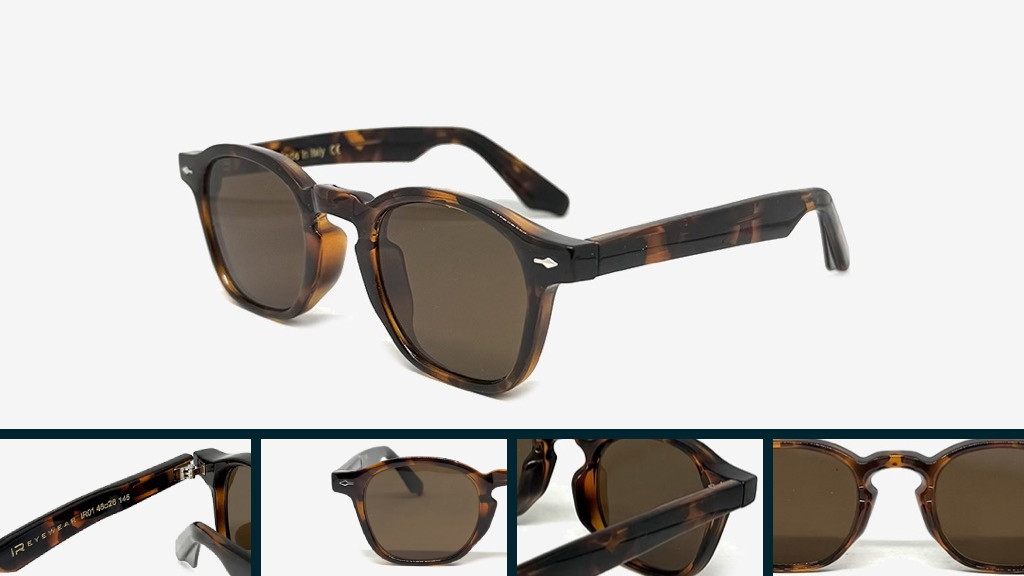
Our Made in Italy 🇮🇹 line includes four IR-blocking models across two frame shapes, all unisex.
The frames are made from a plant-based cellulose material sourced from cotton and wood fibers, with an internal metal core in the temples and reinforced hinges. The material is biodegradable and is produced by only a small number of manufacturers worldwide.
Both frame lines were developed through fit testing on more than 100 people with varied face shapes and proportions, so you can be sure that any of the four models will be a comfortable fit.
Shop the full IR Eyewear collection and take your face back from the cameras.
#Live Facial Recognition #Facial Recognition UK #Privacy #Biometric Surveillance #Civil Liberties