Germany’s Rapid Rollout of Biometric Policing
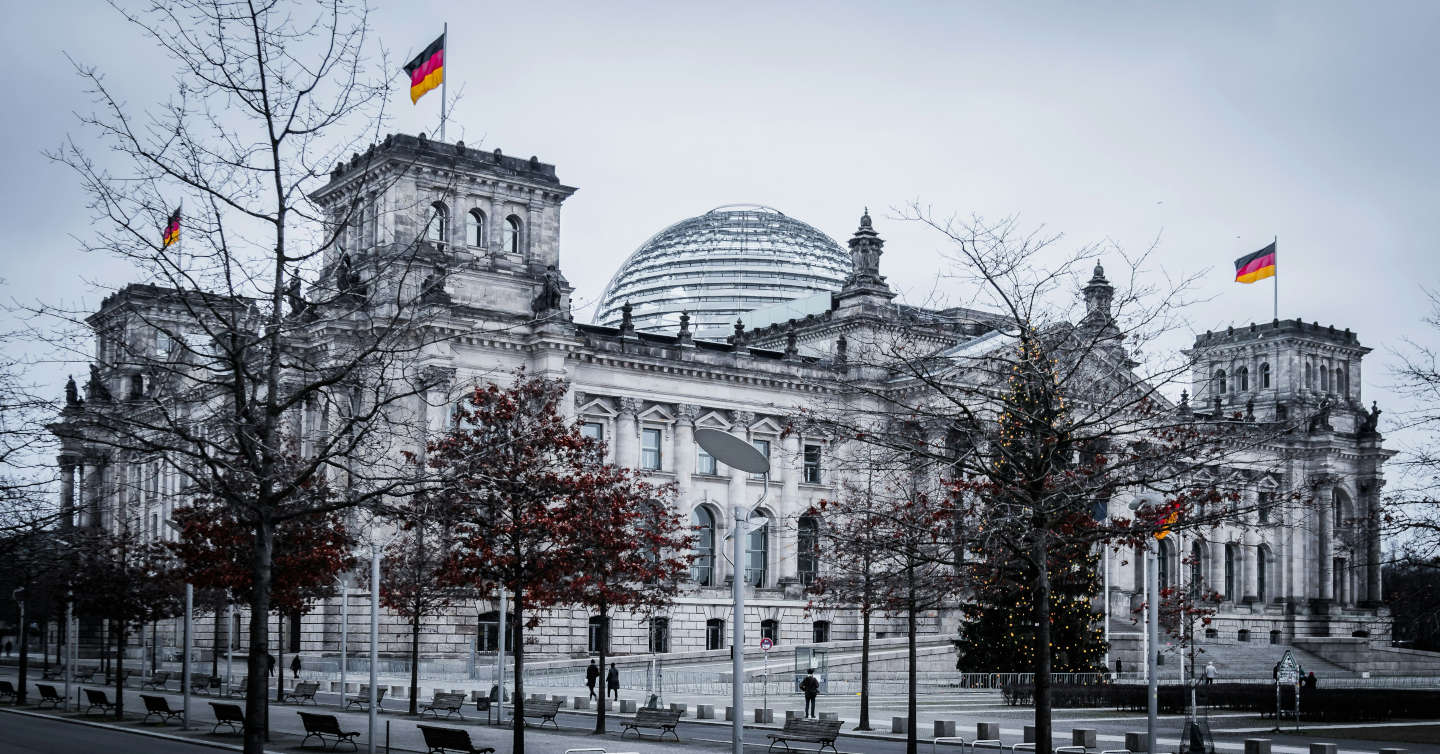
Germany has long been held up as a model for privacy and data protection, so it’s worth paying attention when the country starts dismantling that reputation in real time.
Over the last two years, German lawmakers have been quietly building one of the most ambitious biometric surveillance regimes in Europe, and the rest of the EU just handed them a window to do it with almost no rules attached. Here’s how we got here, year by year…
2024: The “Security Package”
In late 2024, the German government tried to rush a “security package” through Parliament at record speed, one that, as the Electronic Frontier Foundation warned at the time, would expand biometric surveillance on an unprecedented scale.
The plan would let law enforcement identify suspects by comparing their biometric data against everything publicly available on the internet.
That would mean every photo and every video uploaded to the web becomes part of the government’s surveillance infrastructure, used to build detailed profiles of people’s daily activities.
Germany also intends to introduce AI-enabled mining of all data held by law enforcement—the kind of thing often used for predictive policing. That would include the data of anyone who has ever filed a complaint, served as a witness, or ended up in a police database as the victim of a crime.
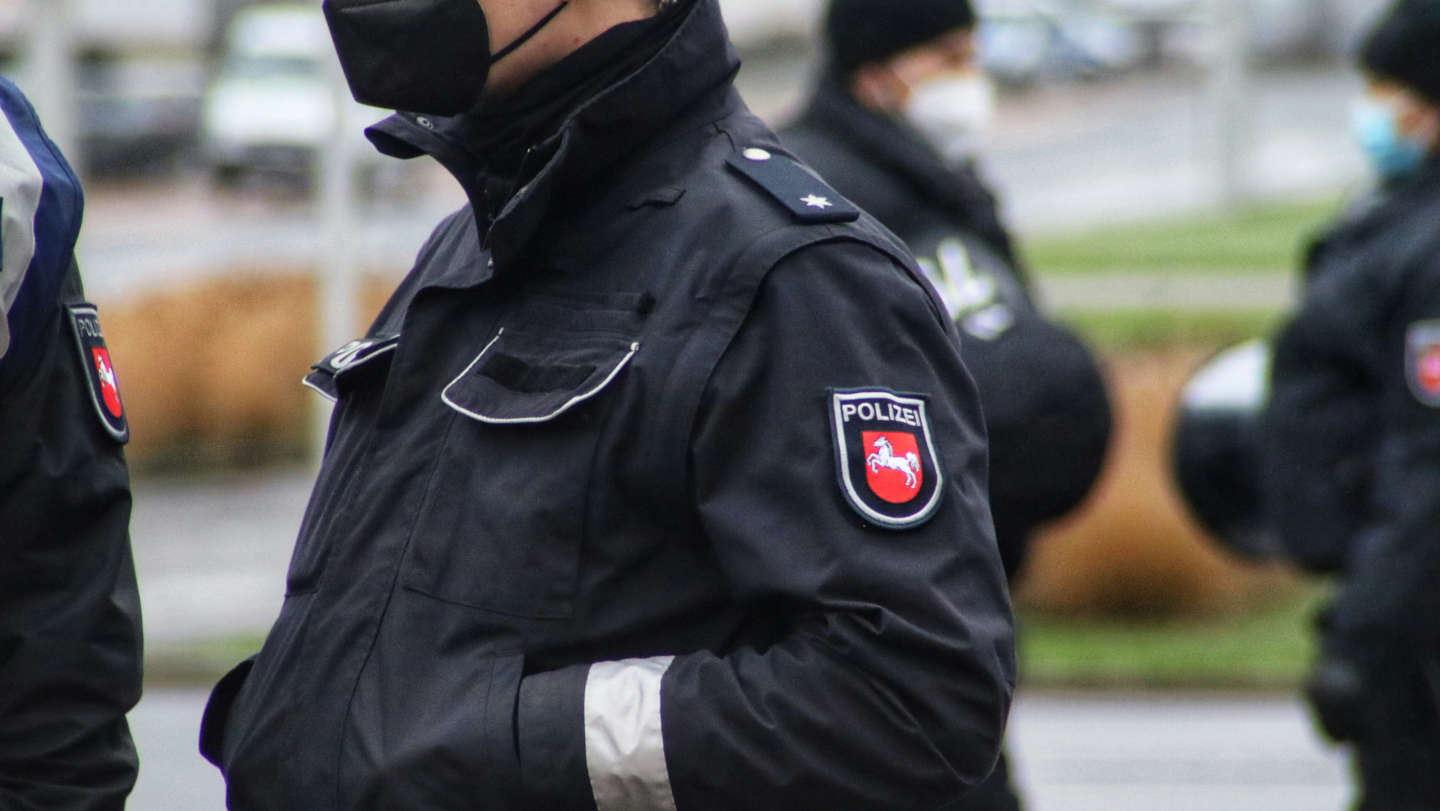
Police in Saxony have developed a secret surveillance system using high-resolution cameras and biometric facial recognition that runs virtually in real time. It is now used not only in Saxony, particularly in areas near the border, but in Berlin as well.
The system records the license plates of passing vehicles along with the facial images of drivers and passengers, and it can process those facial images “with a time delay of a few seconds.” Its high-resolution cameras “can produce excellent-quality images even in the dark and in poor weather conditions.”
2025: Searching the Open Web for Your Face
An expert report commissioned by AlgorithmWatch, a European digital rights organization, laid out the technical and legal problems with Germany’s push to expand police powers by matching faces against publicly available photos on the internet.
These discussions have been moving forward as authorities consider legislation that would let police conduct live biometric facial searches, comparing them against photos online on social media platforms like Facebook, Instagram, or LinkedIn.

German authorities believe this can be done without necessarily creating a database. The recently published technical report disagrees, finding it isn’t feasible: any system used for that kind of matching effectively requires creating a database of pre-collected and pre-processed facial data.
Germany’s facial recognition market has emerged as a significant segment of the country’s security technology ecosystem. Rising concerns over public safety, airport and border screening, and crime prevention have accelerated the spread of facial recognition solutions. Advanced AI algorithms, combined with high-resolution cameras and cloud-based analytics, allow real-time identification, monitoring, and tracking of individuals in all kinds of settings.
The spread of “smart city” initiatives and intelligent surveillance systems is feeding that growth further still, as governments and businesses chase the promise of optimized urban security and streamlined operations. Optimized control, we should add, at the expense of individual privacy.
2026: The Government Tries Again
German federal lawmakers are proposing a change to the country’s Code of Criminal Procedure that would let law enforcement carry out biometric searches.
The amendments put forward by the federal cabinet would give the Federal Criminal Police Office (BKA), the Federal Police, and the Federal Office for Migration and Refugees the legal grounds to search and comb through social media profiles with facial recognition. The regulatory reforms would also let police use analysis software to identify relevant data across unconnected law enforcement databases.
Hamburg, Karlsruhe, Berlin: What Gets Decided in 2026
2026 brings three concrete decisions.
First, Hamburg’s IVBeo trial ends on August 31, 2026. Hamburg police have to decide whether to extend, expand, or shut down the behavior-recognition system.
Second, the Federal Constitutional Court has several proceedings underway over the Bavarian police’s use of Palantir.

Third, Dobrindt’s bill to legalize the rollout of Palantir still needs approval from the Bundestag and the Bundesrat.
Lean on biometric surveillance and AI software built by private companies, US-based Palantir among them, and you inherit all their problems: privacy, transparency, profiling, and data storage. The inner workings of these algorithms are usually kept secret. We don’t actually know, in any detail, how the applications function. And we’ve already seen what that costs, including cases in the United States where people were thrown in jail over a facial recognition error.
2027: The EU Just Gave Facial Recognition 16 Rule-Free Months
Then the EU said yes. Facial recognition, border surveillance, and predictive policing tools can now operate without compliance requirements until December 2027.
On May 7, 2026, the EU Council and Parliament reached a deal to delay high-risk AI system compliance from August 2, 2026 to December 2, 2027. That’s 16 extra months in which facial recognition, biometric identification, law enforcement AI, border control algorithms, and predictive policing tools operate across Europe with no compliance requirements and no regulations protecting individual privacy.
They know who you are. It’s time to uncover who they are.
If you want to follow the companies and contracts behind all of this, Surveillance Watch maps out who’s building the grid.
Take Your Face Back

If reading this made you want to do something about it, start simple.
IR Eyewear makes Italian-designed, IR-blocking glasses that defeat facial recognition cameras without making you look like you’re hiding something. Because you shouldn’t have to choose between your privacy and how you look…
Shop the full IR Eyewear collection and take your face back from the cameras.
#Germany #Biometric Surveillance #Facial Recognition #Palantir #Predictive Policing #Mass Surveillance #EU AI Act #Privacy