Facial Recognition in Italy: Where Do We Stand in 2026?
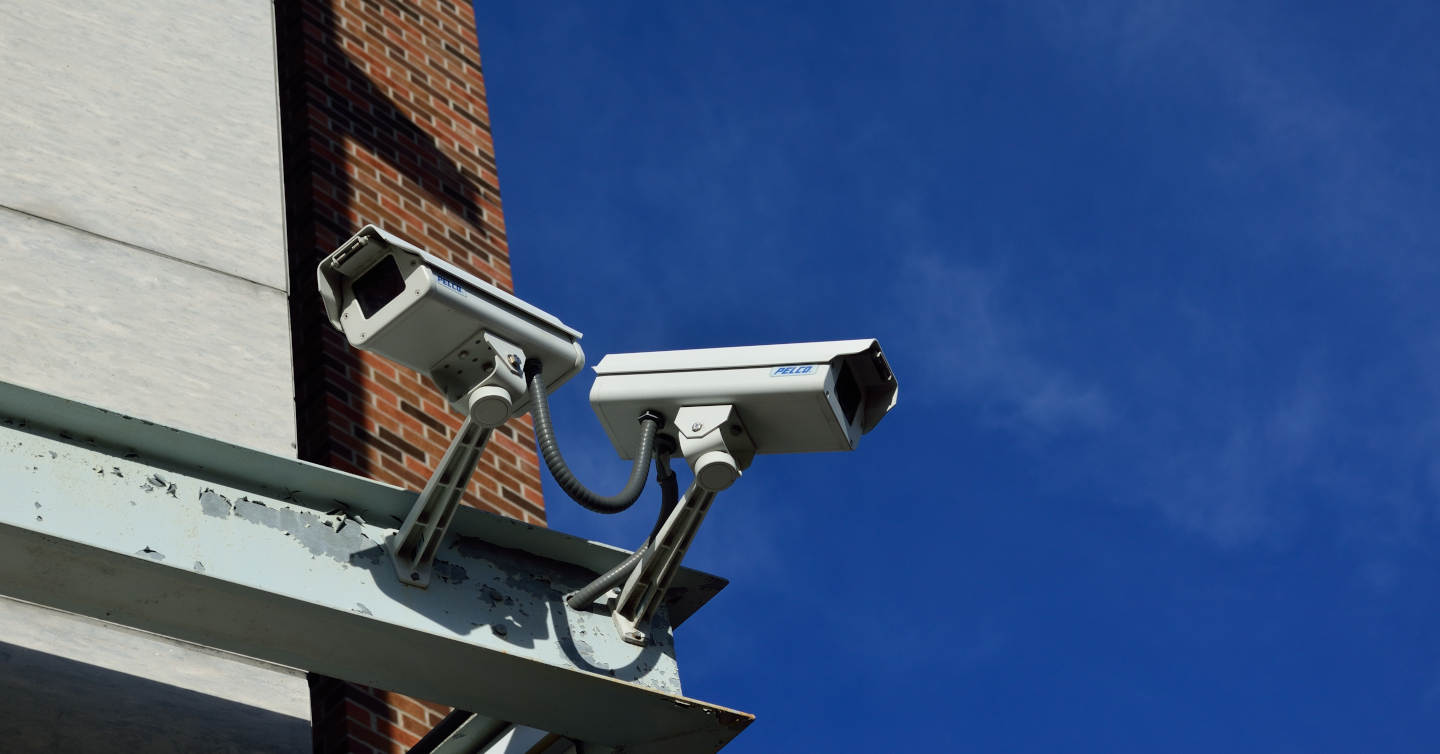
Facial recognition has drawn a lot of attention in recent years, and in Italy, its use is growing in both the public and private sectors.
The technology relies on advanced algorithms that analyze the features of the human face to identify or verify a person’s identity. Its use, however, raises serious questions about personal privacy and data protection.
Italian law, in line with the General Data Protection Regulation (GDPR), imposes strict rules to ensure that the data collected is handled securely and transparently.
A concrete example of these rules in practice is the case of surveillance cameras equipped with facial recognition installed in some Italian cities. These devices have to meet specific transparency requirements. For instance, citizens must be informed that such systems are present and that their personal data is being processed. Authorities must also guarantee that the data collected is used solely for the stated purposes and is not kept longer than necessary.
Law enforcement can use the technology to quickly identify suspects in crowded places or during public events, such as football matches and demonstrations.
A Turning Point: The New Police AI Decree
The Italian government has passed a measure that marks a turning point in how the country’s law enforcement will use artificial intelligence.
On June 10, 2026, in its 177th meeting, the Council of Ministers approved the draft legislative decree governing the use of AI systems in police activities, implementing EU Regulation 2024/1689 (the AI Act).
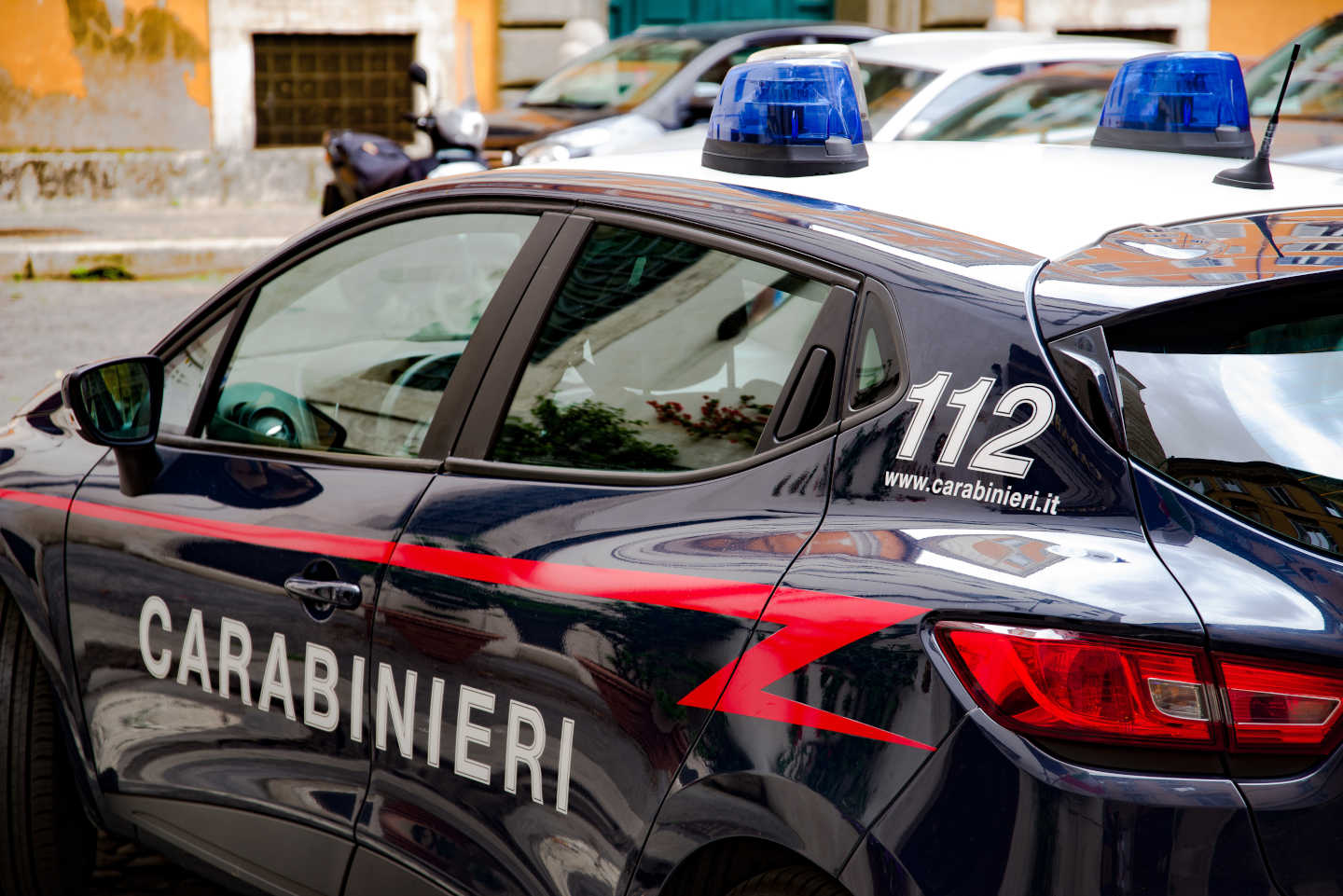
The measure introduces rules on real-time remote biometric identification and after-the-fact (“ex post”) facial recognition in public places, permitted exclusively for the prevention of specific threats, or for the search for missing persons and victims of kidnapping, human trafficking, or sexual exploitation.
Biometric matching must be carried out against appropriate reference databases, and the use of databases built through the untargeted scraping of images from the web or from CCTV cameras is expressly forbidden.
Its use requires specific authorizations from Italy’s oversight bodies for a maximum period of fifteen days, renewable. In urgent cases, a simplified procedure is available, with subsequent notification to the public prosecutor within twelve hours.
Police are also expressly required to automatically delete the biometric data collected after seven days, and no decision with negative legal effects may be based solely on the results of facial recognition.
Milan Airport: FaceBoarding Suspended
The FaceBoarding facial recognition service, used to identify passengers at boarding-control gates, was suspended at Milan Linate Airport following a notice from the Italian Data Protection Authority (GPDP).
The voluntary service, launched by SEA Milan Airports, lets travelers register and then pass through security checks and boarding with a facial scan.

According to the GPDP, the biometric templates were stored on the company’s centralized system, and no encryption measures were adopted to protect them.
SEA now intends to roll out its biometric technology for access to parking lots, VIP lounges, and shops at other Italian airports.
Biometric Screening for Non-EU Travelers: The EES
A major change is coming to border-control procedures across Europe. As of October 12, a new Entry/Exit System (EES) will gradually replace passport stamps with digital checks that collect biometric and personal data from all non-EU travelers, including UK citizens, entering the Schengen Area for short stays.
The first testing phase in Italy will begin at Milan Linate, Milan Malpensa, and Rome Fiumicino airports, along with the ports of Civitavecchia and Genoa.
The EES will record biometric data (fingerprints and facial images) and replace manual passport stamping.
It applies to non-EU nationals staying in the Schengen Area for up to 90 days in any 180-day period, including tourists, business travelers, and cross-border visitors.
On the first trip after the system’s launch, travelers will need to register their fingerprints and a photo at a border-control booth, a self-service kiosk, or via a mobile app (where available). Children under 12 will only have their photo taken. Once registered, future crossings should be faster, as the system will simply verify the stored data.
Electronic passport holders can use automated e-gates, recognizable by a gold camera icon on their passports. Travelers should nevertheless expect longer queues in the early weeks as the new technology is phased in.
The Cameras Are Multiplying, City by City
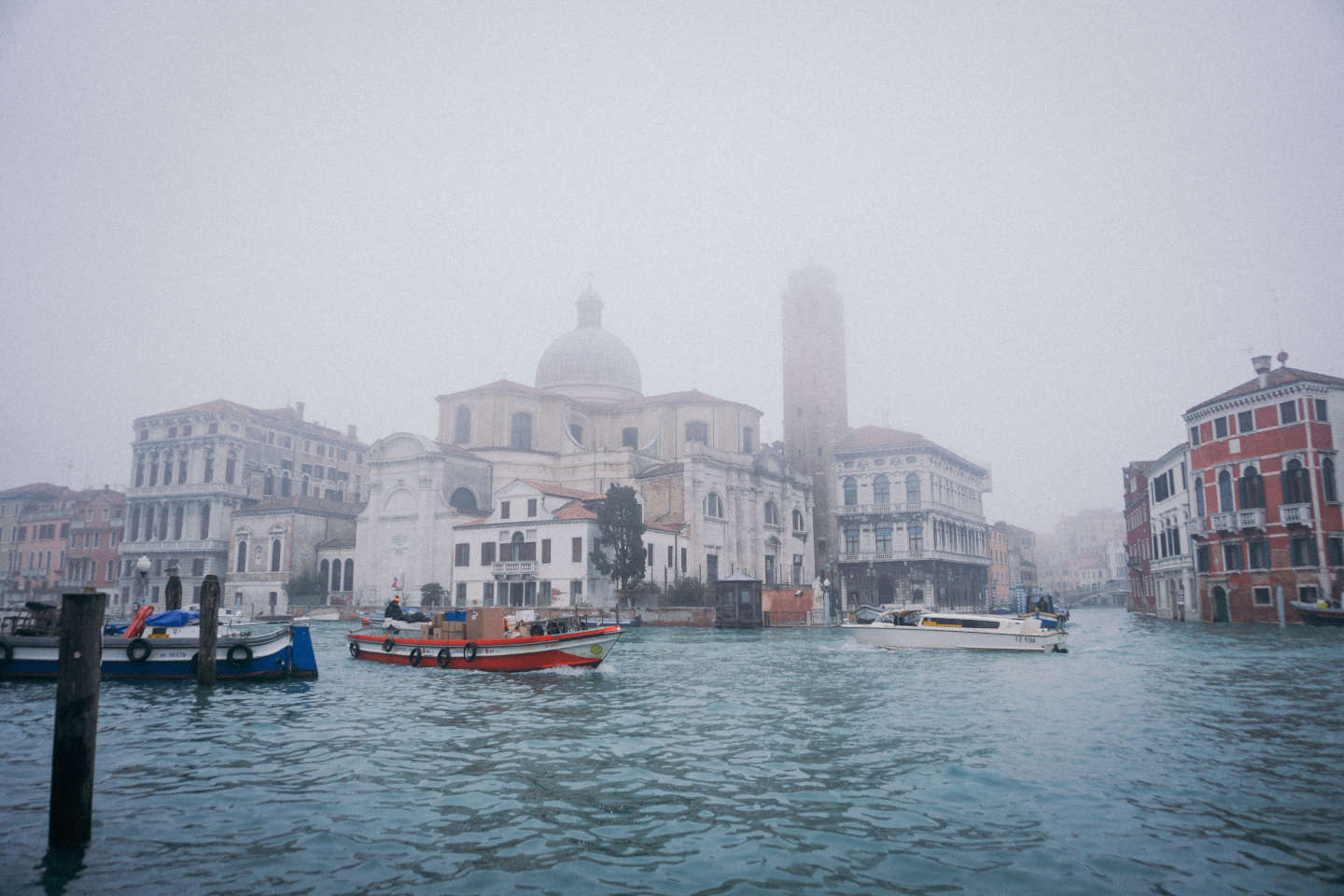
Venice: smart city, more cameras. The Ministry of the Interior co-financed a project for 85 new cameras, part of a wider expansion of the city’s video-surveillance system.
Lecce: 10 new cameras with facial recognition. The city installed ten latest-generation cameras equipped with facial recognition, capable of identifying people in real time, connected to the local police operations center.
Naples: license-plate and facial-recognition cameras. Industrial areas are being fitted with “intelligent” video surveillance, using high-definition cameras with license-plate reading and facial-recognition technology, plus drones for aerial surveillance.
Palermo: smart cameras at the Policlinico. The Paolo Giaccone hospital installed AI-equipped cameras with facial recognition, along with new access-control measures, to guard against theft and assaults.
Reggio Emilia: more cameras on the way. The city has just switched on 28 new cameras, part of over 60 installed in the past two months, with the local network approaching a thousand units.
In short, facial recognition is a powerful and invasive technology with the potential to transform many aspects of our daily lives. Its use must be carefully regulated to protect our rights, but the direction of travel in Italy is clear: despite the small regulatory pushback, the country is introducing more cameras, more scanning, and more of your face captured, stored, and matched every single day.
Take Your Face Back
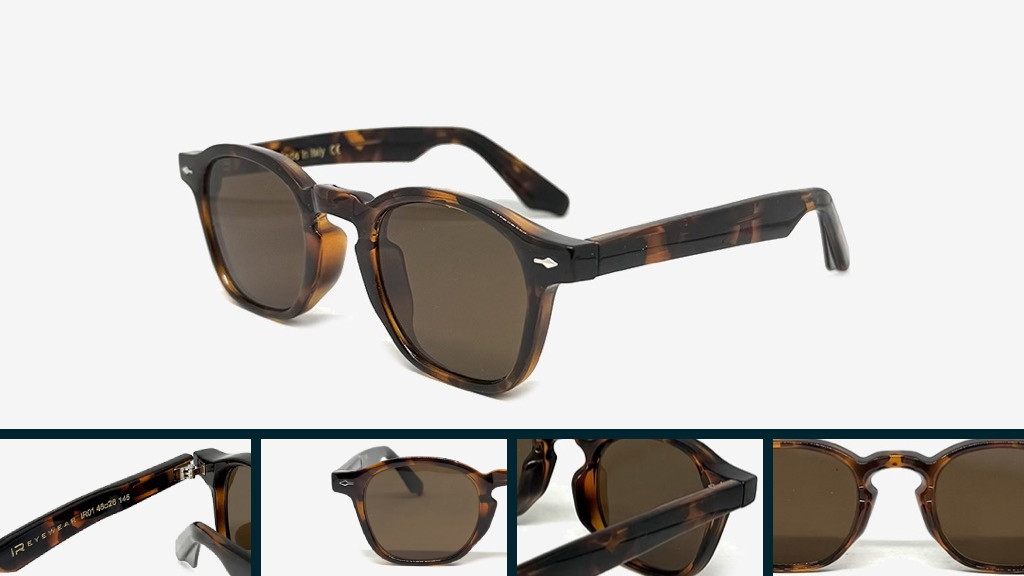
If all this makes you want to do something about it, start simple. To defend yourself from facial recognition in Italy, the Made-in-Italy 🇮🇹 IR Eyewear glasses are the answer, striking the right balance between protection and fashion. Because you shouldn’t have to choose between your privacy and how you look.
Shop the full IR Eyewear collection and take your face back from the cameras.
#Facial Recognition Italy #Biometric Surveillance #EU AI Act #Smart Cities #Privacy